 Jamiu Isah
 Author Spotlight interview
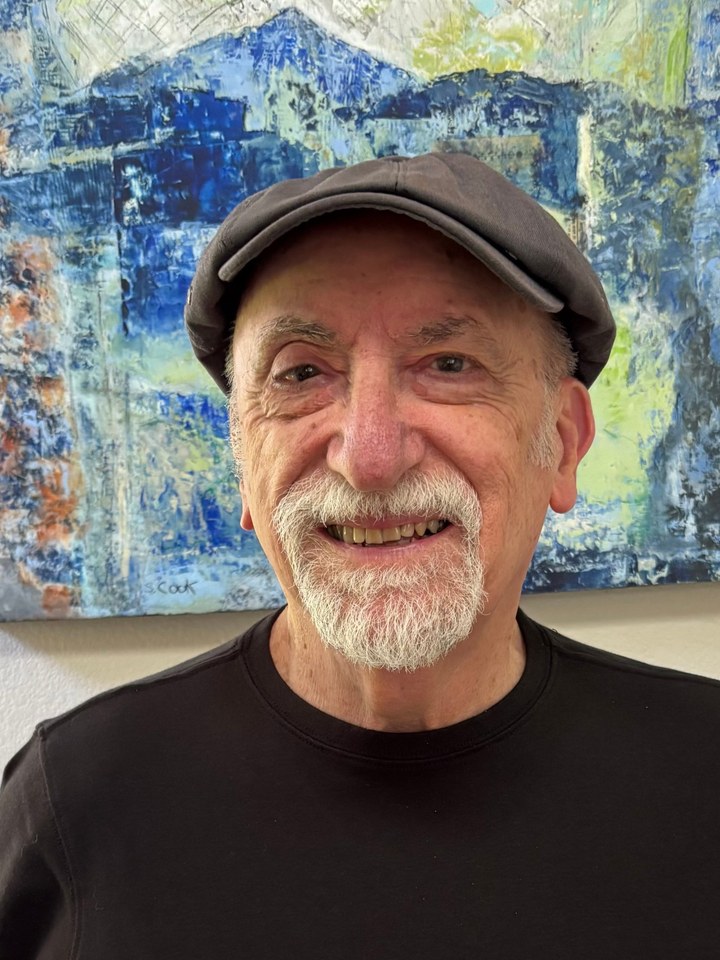
William J. Cook
Author of Persona
A psychological thriller about identity, memory and redemption.
In Persona, William J. Cook draws on his 37 years as a mental health therapist. In this interview he talks about what inspired the novel and the questions he hopes readers will ask themselves.
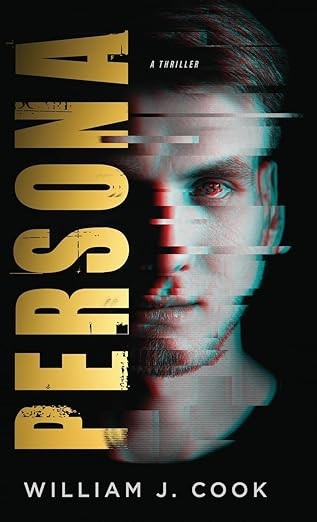
Persona
A Thriller
Connect with William
Author websiteThe Inspiration Behind the Story
Every book begins with an idea, an experience, or sometimes a question that stays with us. What first inspired you to write this book, and what made you feel this was a story worth sharing?
I was initially inspired to write this book after reading Anna O by Matthew Blake and The Silent Patient by Alex Michaelides. Up until that point, it hadn’t occurred to me that I could draw upon my own clinical experience—working 37 years as a mental health therapist—to craft a psychological thriller with real authenticity. Over the course of my career, I treated several patients with dissociative identity disorder, and I was able to draw upon those real-life experiences to create Persona. Initially, I wanted to write a story that would be exciting and entertaining—the kind of story where the reader says, “Let me read just one more chapter before I go to bed.” But I didn’t want it to be like a bag of potato chips—immediately forgotten after the last chip is munched. I wanted it to be a thoughtful thriller, something that would stimulate or even haunt the reader long after the last page is turned.
The Personal Connection
As you developed the story, was there a particular character, moment, or theme that became especially meaningful to you personally? What made that connection so strong?
As the story developed, I was drawn to the psychiatrist, Carter Lane. He enters the story as a very flawed man, living vicariously in the shadow of his adventurous best friend, objecting to his photographer wife’s going on a mission to Ukraine because she won’t be home for him. As the novel progresses, he must confront his past and forge his own identity, find his own courage and strength. Over the course of the writing, I found myself reflecting on the arc of my own life, examining my failures, reaffirming my successes, hoping that I am achieving the kind of redemption that Lane gets.
Behind the Writing Journey
Readers often see the finished book without knowing what went into creating it. Was there a challenge, unexpected discovery, or memorable experience during the writing process that changed how you viewed your story?
The character of Arthur Frampton began to really intrigue me, and the scene with him in the labyrinth became horrifying in a way I had not anticipated. As with all my writing, I live for the moment I call “critical mass,” when the characters become so real they start telling me what they’re going to say and do, as though they were independent of me. For me, that’s the joy of the creative process.
The Message and Impact
Beyond entertaining readers, many stories leave us with something to reflect on. What do you hope readers will understand, feel, or carry with them long after they’ve finished your book?
I hope readers will reflect upon their own identity, asking themselves essential questions like: “Who am I? Have I become the person I wanted to be when I was younger, or have I strayed from the path? If I’ve strayed, are there some mid-course corrections I can make?” I’m reminded of Erikson’s Eight Stages of Human Development. He called adolescence the stage of “identity vs. role diffusion”, when we really begin our search for self, our own beliefs, our own values. If we are fortunate enough to live to the final stage, what he called “ego identity vs. despair”, we are faced with the ultimate question “Have I lived a meaningful life?”
The Person Behind the Author
Looking back at your journey as a writer, how has bringing this book to life influenced you personally, and what would you love readers to know about the person behind the pages?
I’ve become extremely conscious of my own mortality. As I meditate on that, I hope I’ve added to the sum total of kindness in the world. My writing can get pretty dark as I explore the underside of human nature, but the darkness isn’t the point. The point is the light we can shine into each other’s lives, illuminating what’s best about our common humanity.